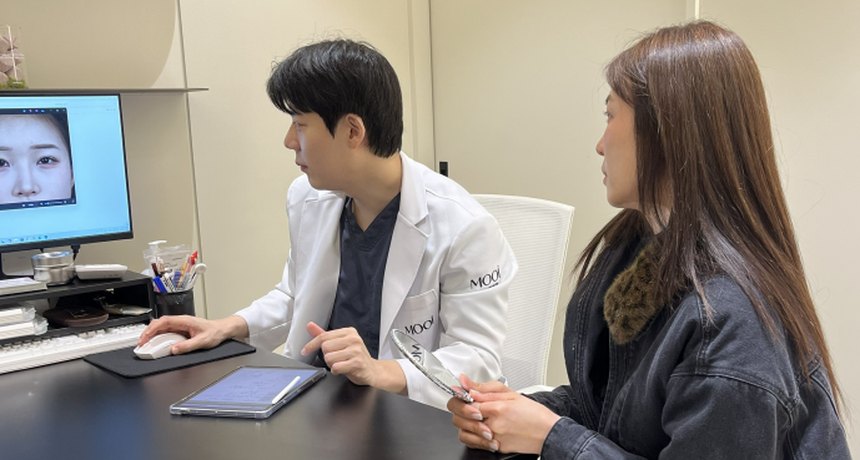
Korea is one of the top destinations in the world for nose surgery, and bridge rhinoplasty is one of the most requested procedures. Patients travel from across Asia, the Middle East, and the West to get natural-looking, refined results at a fraction of the cost back home. If you are considering raising, reshaping, or smoothing your nasal bridge, Korea is worth a serious look.
What is Bridge Rhinoplasty?
Bridge rhinoplasty is a surgical procedure that changes the shape, height, or width of the nasal bridge — the upper and middle section of the nose that runs between your eyes down to the tip. Surgeons can build up a flat bridge, reduce a hump, or narrow a wide bridge to create a more balanced facial profile. It is one of the most common cosmetic surgeries performed in Seoul.
- Improved facial harmony: A well-proportioned bridge balances the nose with the eyes, forehead, and chin.
- Lasting results: Results from bridge rhinoplasty are permanent and do not fade over time like non-surgical fillers.
- Customizable to your face: Surgeons tailor the procedure to your bone structure, skin thickness, and personal goals.
Types of Bridge Rhinoplasty Offered in Korea
Korean plastic surgery clinics offer several approaches depending on what you want to change:
- Augmentation rhinoplasty (bridge raising): This is the most popular option in Korea. A silicone implant korea procedure or cartilage graft is placed along the bridge to add height and definition. It suits patients with a flat or low nasal bridge.
- Hump reduction rhinoplasty: Bone and cartilage are carefully reduced to remove a visible bump along the bridge. This creates a straighter, smoother profile.
- Bridge narrowing (osteotomy): The nasal bones are repositioned to make a wide bridge appear slimmer. This is often combined with other corrections.
- Combination bridge and tip rhinoplasty: Many patients address both the bridge and the tip in one surgery for a fully balanced result. This is very common in Korean clinics.
Why Choose Korea for Bridge Rhinoplasty?
- High surgical volume and experience: Korean surgeons perform thousands of rhinoplasty korea treatments every year, giving them deep hands-on expertise.
- Advanced techniques: Korea is known for using precision methods that reduce visible scarring and produce natural-looking results.
- Competitive pricing: Costs are significantly lower than in the US, UK, or Australia without a drop in quality.
- Dedicated medical tourism support: Many clinics offer translation services, airport transfers, and aftercare coordination for international patients.
- Strict safety standards: Korean medical facilities follow rigorous hygiene and surgical protocols regulated by the government.
Cost of Bridge Rhinoplasty in Korea
Prices vary based on the complexity of the procedure, the surgeon’s experience, and whether additional work is done at the same time. According to korea health industry development institute plastic surgery cost rhinoplasty guidelines, transparent pricing helps patients make informed decisions.
- Basic bridge augmentation (implant only): ₩2,000,000 – ₩3,500,000 (approximately $1,500 – $2,600 USD)
- Hump reduction or narrowing: ₩3,500,000 – ₩5,500,000 (approximately $2,600 – $4,100 USD)
- Combined bridge and tip rhinoplasty: ₩5,500,000 – ₩9,000,000 (approximately $4,100 – $6,700 USD)
- Full revision rhinoplasty (correcting previous surgery): ₩8,000,000 – ₩15,000,000 (approximately $6,000 – $11,200 USD)
These figures are estimates. Your final quote will depend on your consultation and individual treatment plan.
What to Expect During and After
Bridge rhinoplasty is typically performed under general anesthesia and takes one to two hours. Most procedures use a closed technique, where incisions are made inside the nose, leaving no visible scars. An open technique may be used for more complex cases, with a small incision under the nose tip. If you’re exploring comprehensive facial contouring alongside rhinoplasty, clinics like vlinefacekorea.com offer integrated treatment options that address multiple facial proportions.
After surgery, you will wear a nasal splint for about one week. Swelling and mild bruising around the eyes is normal and usually fades within two weeks. Most patients feel comfortable returning to daily activities within ten to fourteen days. Strenuous exercise should be avoided for four to six weeks.
Follow-up and Results
Your surgeon will schedule follow-up appointments at one week, one month, and three months post-surgery. Swelling continues to reduce gradually, and your final result becomes fully visible around six to twelve months after the procedure. Results are permanent, though natural aging of the skin and tissue continues over time. Silicone implants used for augmentation are long-lasting and do not need to be replaced unless complications arise.
Conclusion
Bridge rhinoplasty in Korea offers a powerful combination of surgical skill, modern techniques, and affordable pricing. Whether you want to raise a flat bridge, remove a hump, or narrow a wide nose, Korean surgeons have the experience to deliver results that look natural and suit your face. With strong medical tourism infrastructure in place, the process is straightforward even for first-time visitors.
Ready to learn more or get a cost estimate? Contact us on WhatsApp today for a free, no-obligation consultation. Send us your photos and goals, and we will connect you with a qualified clinic in Seoul that matches your needs. Our team is available to answer questions and help you plan your trip from start to finish.